-3 2x1.jpg)
Report highlights socioeconomic impact of power plant closures
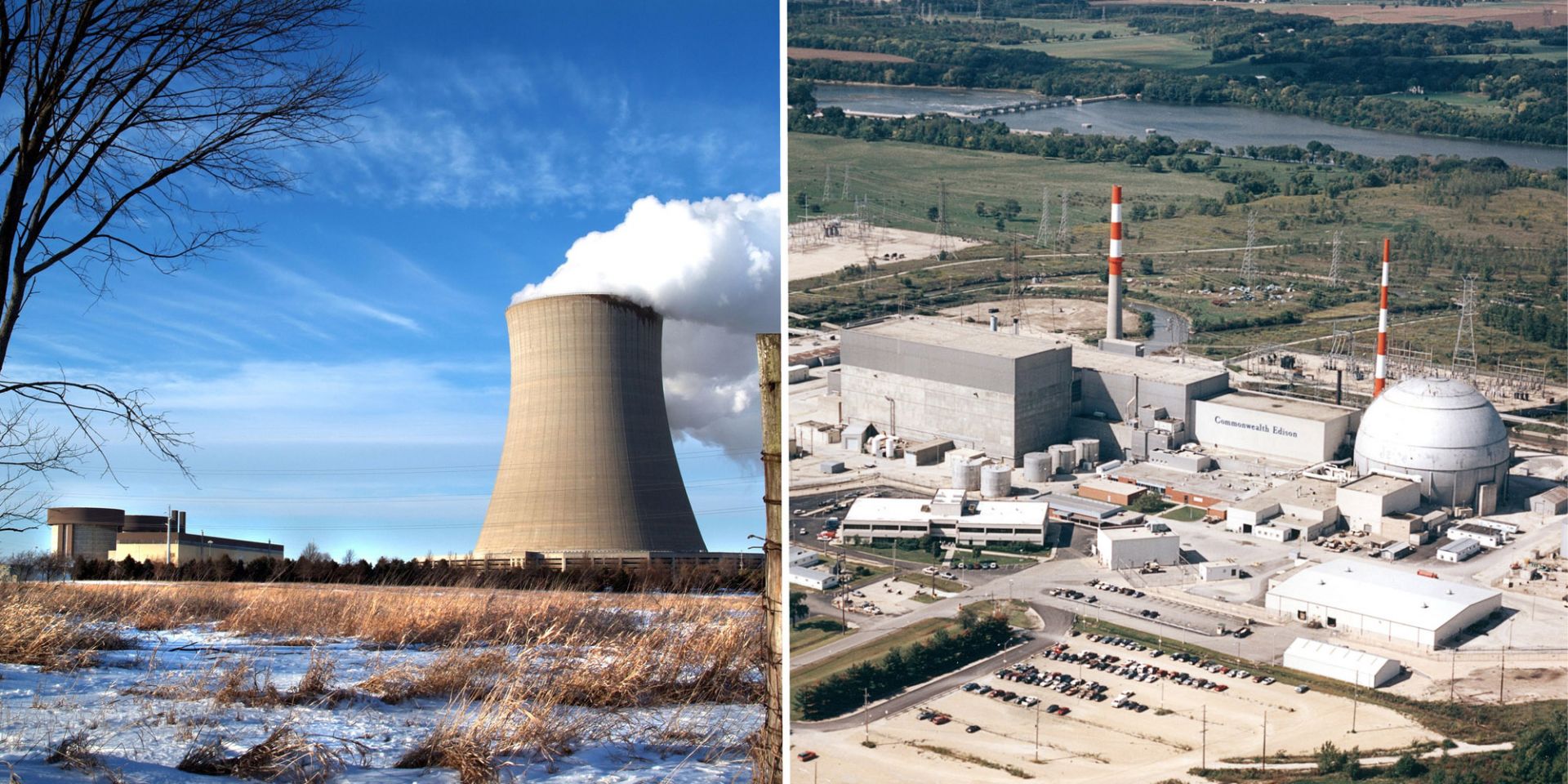
 Communities that host nuclear power plants face “swift and severe” economic and social impacts following a plant’s closure, according to a report by the Nuclear Decommissioning Collaborative that was released on October 12. The free, 61-page report, Socioeconomic Impacts from Nuclear Power Plant Closure and Decommissioning, examines the effects of nuclear power plant closures on surrounding host communities, along with the barriers to planning and mitigation, and offers recommendations to nuclear closure communities across the nation.
According to the report, a typical nuclear power plant may operate in a relatively rural area and contribute upward of $400 million annually to the local and regional economics. That loss of revenue can have a severe impact on local public services such as schools and emergency responders. In addition to the economic benefits of operating nuclear power plants, the report points out that plant employees and their families strengthen host communities through their participation in local cultural, civic, and volunteer opportunities.
 ANS member Dr. Christopher Morrison was a recent guest on
  Shortly after 11 a.m. on Tuesday, May 7, 2013, the operators at Dominion Resources' Kewaunee nuclear power plant opened its output breaker, disconnecting the turbine generator from the grid for the last time after just under 40 years of operation. Shutdown of the reactor followed, and the plant entered what for some is an uncertain (even if pre-ordained) future-a long-term storage period, followed eventually after many years by the complete dismantling and removal of the plant.
 The weekly Carnival is the collective voice of blogs by many of the Internet's foremost nuclear experts and advocates, who continue each week to tell the story of nuclear energy around the World Wide Web.
 When the heat released by nuclear fission is used in a steam plant to produce mechanical power, the second law of thermodynamics dictates that a large part of the heat must be rejected to the environment. Most land-based nuclear plants reject heat by using cooling water from a river or ocean.